


EquiCCG
EquiCCG
100 in stock
EquiCCG is an advanced computer vision-based craniocorpography (CCG) test device that modernizes balance and neuro-otological screening by objectively measuring head-body motion for fast, wire-free vestibulospinal reflex assessment. It eliminates the need for dark rooms, visual tracking, and complex setups, making diagnostics faster, smarter, and more reliable. Designed to be clinic-friendly, accurate, and efficient, EquiCCG addresses many limitations of traditional CCG methods. It plays a vital role in diagnosing vestibular dysfunctions linked to the inner ear, which often cause vertigo and dizziness. By providing objective, quantifiable data, EquiCCG supports better clinical decisions and improves patient outcomes.
What's Included?
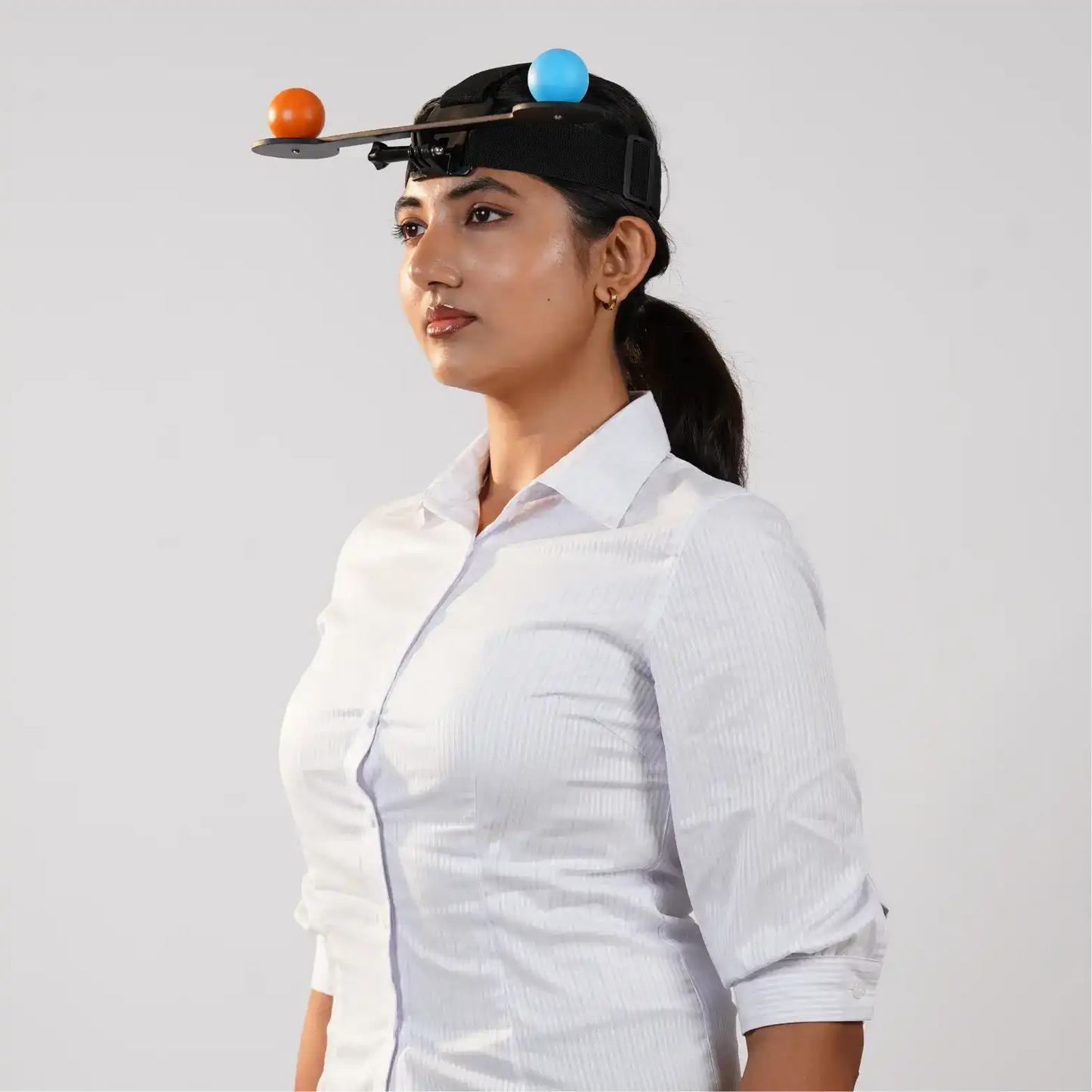
- Color-differentiated head tracker band device (orange and blue ball modules)
- Ceiling-mounted camera with base plate
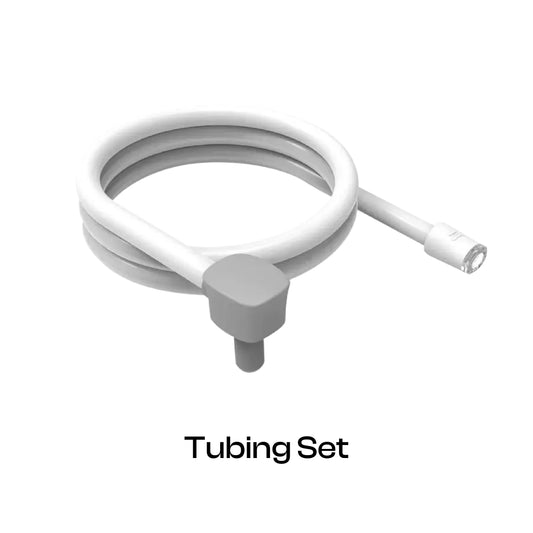
- Extension cable for system connectivity
- User manual




Product Features
How does EquiCCG work?
- Mount the ceiling camera and connect to the computer.
- Place the orange ball on the right, blue on the left of the patient’s head.
- Align the patient’s right side with the rib marker.
- Perform test protocols as guided.
- Tracks head movement using computer vision.
- Calculates movement metrics in real time.
- Supports standard balance tests and protocols.
- Provides immediate normative feedback.
Key features of EquiCCG
- Records full-body movement with a ceiling-mounted wide-angle camera.
- Easy to install and fits various clinical setups.
- Electronic free head trackers- no LEDs, batteries, or wires.
- Works in normal lighting; no dark room needed.
- Automated balance metrics in real time.
- Compatible with Romberg, Tandem Walking, and Unterberger-Fukuda tests.
- Gives instant feedback: normal, borderline, or abnormal.
Clinical Uses of EquiCCG
- Comprehensive balance evaluation: Assesses dizziness and postural instability in vestibular disorders.
- Benign Paroxysmal Positional Vertigo (BPPV) diagnosis: Detects vestibular canal involvement and confirms balance disturbance during positional tests.
- Vestibular neuritis/labyrinthitis: Quantifies imbalance due to unilateral vestibular weakness.
- Ménière’s disease: Tracks episodic balance changes and inter-attack stability.
- Central vs. peripheral differentiation: Helps identify vestibulospinal deficits and lesion origin.
- Chronic dizziness: Reveals subtle postural abnormalities missed in standard tests.
- Neurological conditions: Assesses balance in stroke, Parkinson’s, multiple sclerosis (MS), and cerebellar ataxias.
- Fall risk screening: Useful in geriatric and neuro-rehabilitation settings.
- Rehab monitoring: Tracks recovery and compensation over time.
- Medicolegal documentation: Provides objective evidence of balance dysfunction.
Who's a candidate?
- Vestibular Disorder Patients: Those with BPPV, Ménière’s disease, vestibular neuritis, or labyrinthitis.
- Dizziness & Imbalance Cases: Individuals experiencing unexplained vertigo or postural instability.
- Neurological Conditions: Patients with stroke, Parkinson’s, MS, or cerebellar ataxia.
- Fall Risk Assessment: Elderly or high-risk individuals needing fall evaluation.
- Rehabilitation Monitoring: People undergoing vestibular rehabilitation or post-surgical recovery.
- Chronic Dizziness: Cases with persistent or complex dizziness needing detailed analysis.
- Medicolegal Documentation: Patients requiring objective balance data for legal or insurance purposes.
- Differential Diagnosis: Those needing distinction between central and peripheral causes of vertigo.
FAQs
What is EquiCCG?
EquiCCG is a modern craniocorpography system designed to objectively measure balance by tracking head and body movements during standardized tests. It uses infrared markers and a ceiling-mounted camera to capture sway, drift, and rotation, and converts these into quantitative clinical metrics.
How does EquiCCG improve on traditional CCG methods?
EquiCCG replaces long-exposure films and dark-room setups with infrared sensors, digital cameras, and real-time software analysis. It delivers instant, precise results, automated calculations, and normative comparisons, making craniocorpography faster, more objective, and easier to interpret.
Who can benefit from using EquiCCG?
EquiCCG is designed for ENT specialists, neurologists, audiologists, geriatricians, physical therapists, balance clinics, and general practitioners. It helps evaluate vestibular disorders, fall risk in older adults, and monitor rehabilitation progress in patients with dizziness or imbalance.
What balance tests does EquiCCG support?
EquiCCG supports protocols such as the Unterberger–Fukuda stepping test, Romberg’s test, tandem walking, WOFEC (walking on floor with eyes closed), Timed Up-and-Go (TUG), and the retropulsion pull test, with age-matched normative values for interpretation.
How long does a full EquiCCG assessment take?
A complete EquiCCG session typically takes 5–10 minutes for stepping, stance, and gait tests, plus 2–3 minutes for marker setup and instructions. Results are processed immediately, so the full workflow fits comfortably into a standard clinic visit.
What metrics does EquiCCG generate?
EquiCCG calculates forward and lateral displacement, body axis spin (in degrees), angular sway range, maximum lateral sway, and maximum antero-posterior sway for each protocol. Each metric is benchmarked against age-matched norms and flagged as normal, borderline, or abnormal.
How are results displayed?
Results are presented as numerical tables and graphical plots. Stepping tests appear on polar graphs showing the rotation path, while stance tests generate statokinesigrams of sway trajectories. Current and prior sessions can be overlaid to visualize patient progress over time.
Is EquiCCG non-invasive and patient-friendly?
Yes. EquiCCG uses lightweight infrared markers or LEDs on a simple headband and body markers—no heavy headgear or electrodes are required. Patients just stand, march in place, or walk as instructed, making it comfortable and suitable for a wide range of ages and conditions.
Do clinicians need special training to operate EquiCCG?
Basic training, typically a one-day workshop or onboarding session, is recommended. The software guides clinicians through test selection, marker placement checks, and analysis. On-screen prompts and color-coded flags simplify interpretation, and ongoing technical support is available.
What hardware is included with EquiCCG?
An EquiCCG kit includes a wide-angle ceiling-mounted camera, color-coded headband and body markers with trackers, mounting accessories, connection cables, and the analysis software. It runs on a standard Windows PC and does not require a dark room or special flooring.
Can EquiCCG track patient progress over time?
Yes. EquiCCG stores complete session data so clinicians can compare metrics and graphs across visits. Longitudinal reports document improvements after vestibular rehabilitation, medical management, or surgery, supporting both clinical decisions and medico-legal documentation.
Is EquiCCG compatible with other vestibular and balance assessments?
EquiCCG complements other tests such as videonystagmography (VNG), video head impulse testing (vHIT), vestibular-evoked myogenic potentials (VEMP), and caloric irrigation. Reports can be exported in PDF or CSV formats to integrate into comprehensive vertigo workups.
How do I maintain and calibrate EquiCCG?
Routine calibration is guided by an on-screen wizard and typically takes under two minutes. The supplied calibration jig ensures consistent geometry. Annual maintenance contracts are available for firmware updates, hardware inspection, and priority technical support.
What warranty and support options are available?
EquiCCG comes with a standard one-year manufacturer’s warranty covering hardware defects and software issues. Extended warranties and service packages, including on-site calibration, remote troubleshooting, and regular software upgrades, can be tailored to your clinic’s needs.
How can I purchase EquiCCG, and what are the pricing options?
EquiCCG is available through our online store and authorized distributors. Pricing varies by configuration—baseline, advanced, or mobile units—and by chosen service plan. For a customized quote, demo, or financing options, contact our sales team via the Shopify contact form.

EquiCCG

EquiCCG
EquiCCG